Showing posts with label floral. Show all posts

Wednesday, 24 June 2015

Rose - a fragrant remedy to soothe upset emotions


"The rose and the thorn, and sorrow and gladness are linked together." 
Saadi (Iranian Poet, 1184-1283)

Moroccan Roses growing in the Atlas Mountains Dades Gorge where we went 
on our honeymoon. There is an annual rose festival in this region every year. 
Lush green oases produce heavenly scents at the foot of dry red earthen slopes.
This iconic bloom is strewn throughout literature as a symbol of love, passion, romance. Given as a token of affection to lovers and mothers worldwide throughout the ages, the unmistakable soft sweet scent of rose evokes a heart-melting gentleness, compassion and sensual femininity. Rose is revered in herbal medicine where a patient might require a 'herbal hug'.

While training to become a herbalist, my dear grandmother, Oma suffered a stroke, lost her ability to speak and became paralysed down one side. My family experienced the loss of our cherished matriarch to this condition and the anticipation of her passing. This prompted me to do my herbal medicine dissertation on how herbal medicine can be supportive for the experience of grief and loss.

I surveyed all herbalists registered with the most popular professional bodies of herbal medicine in Britain. Out of the many herbs used in prescriptions for a broad range of actions to support patients experiencing the emotional and physiological effects of grief, rose was by far the most widely used. The aroma of this gentle plant can be a soothing balm even in the depths of sorrow.

Rose petals and hips have a wide range of applications in health and beauty products, cooking and crafting. The buds and petals are cooling and mildly astringent, helping to reduce inflammation. Rose water has been used traditionally as an eye wash, skin tonic, and refreshing for over-heated skin.

The rose hip seed are rich in vitamin C and healing as a cold-pressed oil to restore scar tissue and skin irritations, as a tincture or syrup to boost immunity when depleted or at the change of seasons.

I often recommend adding a few drops of rose essential oil to a base oil and using this regularly to massage into pulse points or onto the chest and throat, common areas of tension where there is emotional upset. Tincture of rose can be taken as a herbal rescue remedy, a few drops on the tongue or added to water, in times of overwhelm or distress.

Love and rose petals,

I encourage you to fall in love with yourself first for the ultimate relationship at my upcoming Nurturing Rose Remedies Workshop on Wed 22nd July 2015 6.30 - 8pm - £10. Learn to create a healing range of delicate rose concoctions with many applications, but especially to soothe emotions and gently uplift spirits. Make your own handmade remedies to take home. 

Places are limited so booking & payment in advance is vital to secure your place on 0131 226 3223 or edinburgh@nealsyardremedies.com.


Herbal Wellness Plans | Courses & Workshops | Wild Remedy Walks
Holistic Body Massage | Indian Head Massage | Tea & Tarot Readings

Let's connect: Facebook l Twitter l Blog l Instagram l Pinterest
Click here to receive your Nourish & Flourish Love Letters

Monday, 27 April 2015

Natural Healing with Dandelion Wild Edible & Herbal Remedy


I love this humble, hardy little plant. The dandelion is the bane of many gardeners with its tenacious roots and resolve to bounce back despite any efforts to destroy it. That's part of its character that I love so much, its strength and resilience.

I also love its vibrant yellow colour blooming even brighter in the sunshine, but also cheery on more overcast days. It tends to close up however as evening approaches and when it senses wet weather is on the way. To gaze on its bright blossoms is uplifting for stress and moods, extracts of the flowers also add this warming colour to healing skin applications.

The whole plant is nutrient and cleansing so great for supporting our organs of detoxification, kidneys, liver and gall bladder. It's rich in potassium, calcium, iron, manganese and magnesium, vitamins A, B, C, K and more.


The bitter root has a stronger action on the liver and gall bladder, as a cholegogue, increases flow of bile, which improves a sluggish digestion, a great and gentle remedy for constipation, even suitable in pregnancy, compared to some of the stronger and more laxative herbal remedies.

The leaf is also bitter, but a bit gentler so more suitable for kidney cleansing, an effective diuretic, which is rich in potassium unlike pharmaceutical diuretics which depletes this mineral. It's a great aid for water retention and swelling. A herbalist who I used to work with when I was at Napier's Clinics, Dee Atkinson says she uses it as part of a blend to support swollen feet and ankles on long haul flights.

Its name in French 'Pissenlit', literally means to piss in the bed, so be aware that it does flush the system and increase urinary output. Perhaps don't take it just before bedtime!

The latex from the stem has been used as a traditional remedy to apply to warts, and also used to help heal burns and stings. Natural and wild first aid at its best!

The flower pollen also has anti infective benefits. Its flower is also rich in vitamins and minerals, so good to help heal skin irritations, strengthen skin quality and detox tissues to aid muscle and joint aches and pain. You can apply the oil directly on, or make into creams or balms for external use, use internally blended with salad dressings for a nutritious cleansing edible.

Someone on my facebook page said she thought she remembered someone making a wash for the skin and the eyes with the flowers too, and wondered if people thought its properties similar to calendula. I haven't come across any specific comparisons between dandelion and calendula as yet, but certainly with their yellow-orange colour they are rich in carotenes, particularly lutein and zeaxanthin, which convert to Vitamin A in the body, beneficial to eye and skin health.

The flowers are both rich in nutrients soothing to skin irritations applied as an infused oil. I would think of calendula as having more anti fungal benefits and better for skin granulation and healing, so better for cuts & grazes though dandelion flowers also would be beneficial. Certainly a lot more freely available growing everywhere, such a generous plant! Why not give it a go? Click here for the recipe.


For edible use the flower have a delicate, light floral taste, lovely to sprinkle the petals as a salad or meal garnish. The green bases add a little bitterness when infusing into an oil which promote detoxification but can be removed if for edible use and a less bitter flavour is preferred. I like to leave a bit of green myself for the cleansing effects.

You could also add in leaves to the mix to increase bitterness for a stronger detox effect, as it's good for generalised water retention and excess swelling, promoting anti inflammatory action. Be cautious of this if you have diagnosed health conditions, on medicines. Consult your GP and herbalist for guidance.

In Western countries, the leaves are gathered for spring salads or to use as a wilted bitter green in side dishes. The roots are more popularly eaten as a vegetable in Eastern countries like Japan.

The roots are well known roasted as a coffee substitute, although coffee lovers should be warned it doesn't really taste like coffee. It is however an extremely nutritious hot drink, which is more supportive to the bowels and less irritant to the kidneys compared to coffee, so certainly helpful if you are considering reducing coffee consumption. I like to mix roasted dandelion root with chai spices for an invigorating digestive drink, that blends well with nut and seed milks for a healthy milky hot drink alternative.

As a tea the flowers and leaves can be infused fresh or dried, and the dried roots boiled (decocted) for a detoxifying drink. Quite helpful for headaches linked with liver congestion and poor diet, or taken regularly when embarking on a period of cleansing and detoxification.

The seed heads are also fun for making wishes and therapeutic to play with. I spotted this video on Youtube recently which highlights one of the many fun things you can do with dandelion with kids and adults alike. Brought a big smile to my face :)


I have recently connected with Christine Argo, a naturopathic herbalist and high priestess of the Church of Nature, a non-denomination spiritual centre inspired by the healing power of nature. It's a beautiful concept, and right up my alley with my own passion for creative healing, nature and more spiritual approach to healthcare.

If that sounds like your kind of thing too, I'd invite you to check out her soulful natural healing work, particularly her recent radio show exploring the many uses and energy of our beloved Dandelion plant. You can listen in on this link to access the recording in the Nature's Channel FM archives, at her Power of Flowers to Heal show.

While listening in myself, I discovered that dandelion as a flower essence is absolutely perfect for me just now. These sunny, vibrant, social, generous little plants can be personified as folk who love life so much to the point of getting overwhelmed through wanting to do too much! Definitely a tendency I have. No wonder these lovely lion flowers are speaking to me so strongly at the moment!

I will make the flower remedy and try it out on myself, it's exactly what I feel I need. I also made a detoxing tea from the fresh flowers, which is an ideal complement to the reflexology and acupuncture treatments to support my flow and mobility which I am receiving from my wonderful friends and experienced colleagues Sue and Paul of The Natural Health Clinic, based at Meadowbank Sports Centre, Edinburgh not far from me. 


I intend to use the root more to feel grounded and improve my core and digestive processes which can get out of balance when I get all over-excited mentally and my head becomes top heavy just like dandelion's big round head on its thin little stem body! I had a lot of trouble with this especially when I was studying at university for my MA Philosophy and BSc Herbal Medicine honours degrees.

Eight years collectively of heavy duty mental focus, I'm still getting back into balance after all that! That's why I love hanging out with nature so much. I find it truly healing on every level.

I could go on waxing lyrical about my dandelion buddies, but I shall leave you with that for now. No doubt they will make a reappearance on my blog again in the future. If you want to try making your own remedy, here's the link for a simple dandelion remedy recipe.

I was also interviewed by the lovely Natasha of Forage Botanicals on the medicinal uses of dandelion, check out her podcast to hear more about our sunny leonine friends: http://www.foragebotanicals.co.uk/listen-podcast//e05-dandelion

I'd love to hear about your experiences and uses of dandelion, or reflections on what I've mentioned here in the blog. If you fancy it, I'd love to hear from you in the comments or on any of the social media links below.

Have a doodle dandy day!
Fiona Morris 
Herbalist & Holistic Therapist


Herbal Wellness Plans | Courses & Workshops | Wild Remedy Walks
Holistic Body Massage | Indian Head Massage | Tea & Tarot Readings

Let's connect: Facebook l Twitter l Blog l Instagram l Pinterest
Click here to receive your Nourish & Flourish Love Letters

Dandelion Flower Infused Oil Making


There are many applications for Dandelion Flower Infused Oil. Here are but a few...

~ Apply oil directly onto irritated or inflamed skin, joints or muscles, with or without added essential oils as desired and as required, 2-4 x daily and consistently for therapeutic use.

~ Make oil into a balm by melting in beeswax or other plant waxes and butters at amounts to suit desired consistency, for a less greasy and more protective external application.

~ Blend with body and facial skin creams at 10-50% for a lighter and more absorbent skin application.

~ Use internally straight off the teaspoon up to 3 x daily as a nutrient and healing herbal remedy to promote tissue cleansing and healthy skin.

~ Drizzle on food as a base for a healthy detoxifying salad dressing, with apple cider vinegar, mustard, garlic, herbs, etc.

To make your own Dandelion Flower Infused Oil at home:

1. Pick lots of healthy looking dandelion flower heads, from a chemical spray free area. Bring a basket or paper bag to collect them in and protect them on the way home.

1a. Optional, but highly recommended extra step: I like to make some sort of nature art with them after picking, sit and connect with them on a picnic blanket and enjoy some tea or snacks near where they grow, do a bit of meditation, stretching, reading or journaling.


2. Make sure you use an appropriately sized, clean and completely dry jar sterilised by submerging jar and lid with freshly boiled water for 5-10min.

3. Fill jar with flower heads to the neck.


4. Cover with a cold pressed oil of your choice, ideally organic to minimise trace chemicals toxicity. I used sunflower in this one for its light texture and extra sunny solar powered energy, but you can use any oil you wish.

You could try grapeseed oil for something, nice and light, easily absorbed. Almond oil is a bit richer but still light and more nourishing. Olive oil is found in most kitchen cupboards, heavier and great for Vit E and anti fungal benefits, but flavour can be quite strong if you are making it for edible purposes. For external applications and dry skin, flavour is less important and richness may be more desirable.


4. Seal with lid (using dried flowers avoids mould growth, or secure piece of muslin over the top, and leave on sunny window sill for 2 weeks at least.

5. Give a shake, turn or stir daily with sterile spoon to ensure that no stagnant pockets of air and moisture from fresh flowers allow mould to develop.

As there is moisture in fresh flowers, it can be good to cover with muslin and rubber band or string to allow moisture to evaporate out. Using dried flowers avoids this issue, but loses some of the lovely fresh vital constituents. For fresh flowers and covered in muslin, stir instead of shake daily for obvious reasons!

If you use a lid on fresh flowers you may want to remove the lid every 2-3 days at first before shaking to check for water evaporation on the lid, leave off for a short while to allow any moisture to evaporate and reseal. Muslin not required when dried, but different if flavours fresh or dried. Either
way promotes healing however so do whatever works best for you. It's all good :)


6. Flowers will settle and shrink a bit, so you can add some fresh ones to top it up after a few days. For an extra potent oil, strain off and press out as much oil as possible after a couple of weeks, and repeat the process using the single infused oil with a fresh jar full of dandelion flowers to make a double infused oil.


7. Strain off through fine sieve, muslin or clean cloth into a sterile bottle or jar, seal well and store in a cool, dry, dark cupboard and use as required. Use within 12 months.

Note: Do not use for anyone with known sensitivities to the Daisy family, aka Asteraceae, Compositae.

One person's healing medicine can be another person's poison, so do patch tests before 24hr before using, particularly for those with sensitive skins. We are all individual and may react differently. This applies to any plant remedy. Check with your local herbalist for guidance.

If you haven't already checked out my dandelion remedies blog for more medicinal benefits and musings on the whole dandelion plant, you can do so here.

I'd love to hear your creative uses and experiences for dandelion flower oil. Do please share your thoughts with me in the comments or social media links below. I look forward to hearing from you :)

Have a sunshiny dandelion day,
Fiona Morris 
Herbalist & Holistic Therapist


Herbal Wellness Plans | Courses & Workshops | Wild Remedy Walks
Holistic Body Massage | Indian Head Massage | Tea & Tarot Readings

Let's connect: Facebook l Twitter l Blog l Instagram l Pinterest
Click here to receive your Nourish & Flourish Love Letters

Homemade Lavender Lemonade Recipe


Another sunny day! I recently tasted a locally produced shop bought lavender lemonade from a local cafe, and was delighted by its unique combination of relaxing and refreshing. 

I was inspired to make my own following a recipe shared with me by one of my lovely social media connections @blessing_beads. It looked so easy and a great way to make use of my dried lavender supplies so I decided to make my own version. It turned out beautifully and with many requests now for the recipe I am sharing it here for all to enjoy.

Ingredients to make 1 litre jug (serves 3-4, simply double or triple to make more):

1-2 teaspoons dried lavender (to taste delicate - 1 tsp, strong - 2 tsp, use in tablespoons for fresh herb, more lavender colour if using more, of course), 1 litre water, 2 fresh lemons, honey to sweeten (or try stevia or plant based syrup for vegan alternative), tray of ice cubes, optional fresh mint or edible flowers for garnish & LOVE.


1. Make a lovely lavender flowers infusion. Stir in 1-2 heaped teaspoons according to taste to a cup or mug of boiled water. Cover with a saucer to keep the aromatic oils from evaporating off and infuse for 15-20min. Strain off the herb and allow the liquid to completely cool.


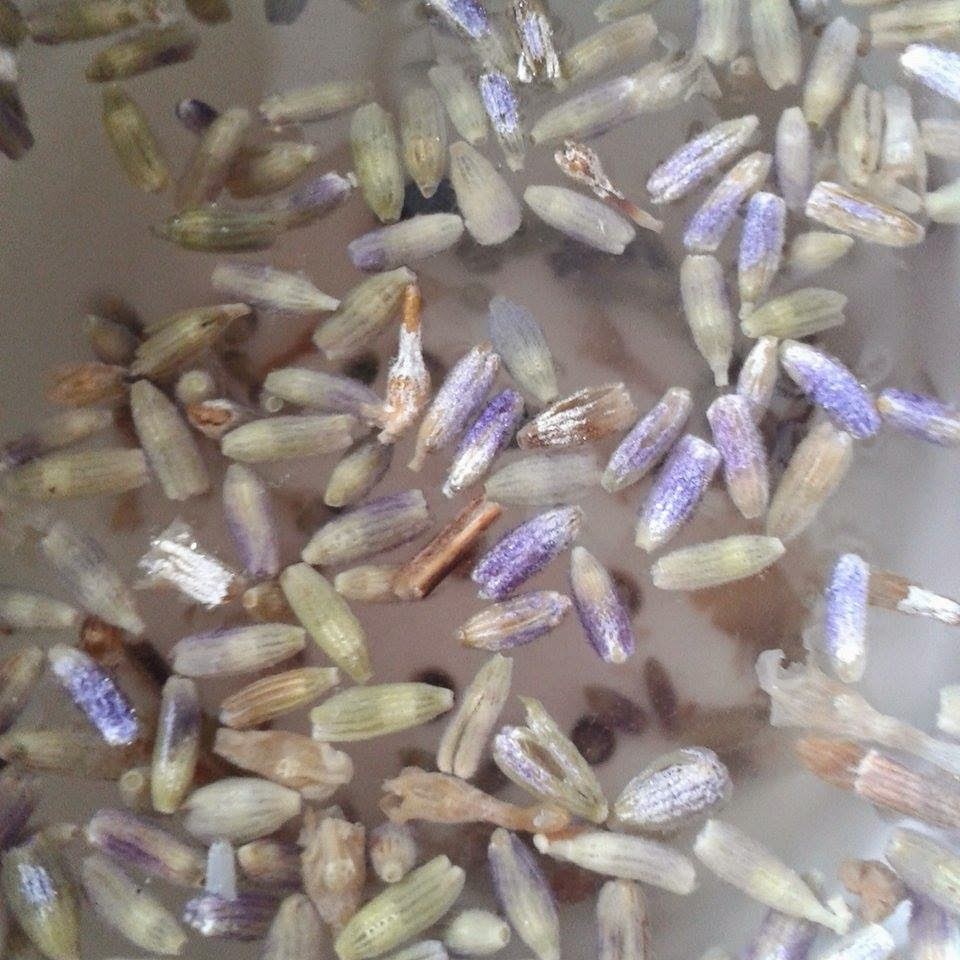
Lavender is a herbal natural remedy to soothe nerves, ease headaches, aid unsettled sleep, insomnia, calm the spirit. It also has anti inflammatory and antiseptic benefits, so not just a pretty face and beautiful scent. It has many applications internally and externally, but note that a little goes a long way. 

I add just a pinch to herbal tea blends (no more than 5-10%) for an added chill factor, to promote unwinding and relaxation. Just watching them float in the water while they infuse is a meditation in itself. Treat yourself a clear glass mug, cafetiere or teapot for this purpose.


2. Add 2-3 tablespoons of honey to suit your taste. Locally sourced raw honey is ideal if you can get it for additional therapeutic actions to support digestive, detoxifying and energy producing processes. Add it to the lavender infusion while it is still warm to dissolve it in easier, but not straight off the boil to help preserve its beneficial enzymes.

Most honeys are already pre-heated to high temperatures to strain off residues so you don't need to wait for the water temperature to cool if its not raw. Check with your producer to find out if you aren't sure. Small scale producers are less likely to do this, so pick some up at your local farmers' market. You can also taste the difference.


3. Slice 1 of the lemons into quarters and squeeze out the juice, straining it into a jug to remove the seeds and press out the pulp with the back of a spoon to extract all the juice.

4. Add the lavender honey infusion to the lemon juice.


5. Slice the lemon for garnish and add to the jug with a tray of ice cubes to cool and top up with water to make a litre's volume. 

You can simply put in the fridge to cool if you don't have ice, or pour into a sealed container secured by rocks in a cool stream for a while if you're out in the wild.

6. Add springs of mint if you wish. I tried this and found the strong mint flavour took away from the subtle taste of lavender, so preferred to garnish with a few foraged edible flower heads growing near me. 

Check out what's available where ever you might be located. I took this batch outside with me to enjoy while reading my book under the blossoming cherry trees in the park, so a cherry blossom garnish gave it an extra delightful touch of love.


There you have it... 

Sweet, simple and soothing sunny day refreshment, without the preservatives and the refined or artificial sweeteners of many shop bought versions, and made by your own fair hand makes it taste like something else. Make fresh batches as required. You can make up a pot or two of lavender infusion up to a day in advance for larger volumes. Cheers!

I'd love to hear your thoughts, how you liked it if you give this a try at home, or to receive your favourite tips how you make your own homemade lemonade extra special. You're welcome to comment below the blog or leave a note on any of the links below.

To your flourishing health and well being,
Fiona Morris 
Herbalist & Holistic Therapist


Herbal Wellness Plans | Courses & Workshops | Wild Remedy Walks
Holistic Body Massage | Indian Head Massage | Tea & Tarot Readings

Let's connect: Facebook l Twitter l Blog l Instagram l Pinterest
Click here to receive your Nourish & Flourish Love Letters

Wednesday, 18 February 2015

Love Potion No 1 - Rose & Pomegranate Elixir

This Valentine's Day I decided to get my family in the mood for love by treating them to pancakes for breakfast smothered in Love Potion No 1. aka homemade Pomegranate & Rose Honey Elixir. Here's how I did it so you can recreate it at home if you wish...


The first thing I did was to gather the most heart warming ingredients I could find in my kitchen cupboard. I offered them to the goddess, a reflection of our higher self, infusing them with heartfelt intention, extra potent love energy, and healing blessings.

My Love Potion ingredients included: pomegranate, rose petals, honey - a homemade gift from friends, lemon, water, cinnamon, cardamom, and the most important ingredient, LOVE.


Each item chosen for their sweet or citrus aromas, heart opening colours and emotional uplifting benefits, I first arranged the ingredients on a beautiful blue platter with some special stones lovingly gifted to me and bought myself, including rose quartz and ruby fuchite.


I sprinkled a handful of dried rose petals in to a half cup of water, adding a teaspoon or so of cardamom pods, couple of lemon slices, a stick of cinnamon and brought the magic pot of love to a simmer.


Reducing the gently simmering liquid to about half for about 10-15min, I used a masher occasionally to press and stir the concoction to release the juice from the pomegranates and break open the cardamom pods to release their flavour. I added a few more rose petals for luck.


I then poured the mixture into a bowl through a fine sieve, pressing the liquid out of the herbs and squishing any remaining pomegranate fruit with the back of a wooden spoon.


This left me with a ruby red infusion which I poured into a measuring jug to add honey to (for a vegan option you could try maple syrup, or get it back on the hob to melt in some unrefined sugar).

I added the warm ruby liquid with honey in equal parts, and stirred with spoon until completely blended, adding loving thoughts, wishes and gratitude for the people it's intended for.


And voila! A rose and pomegranate love potion concoction for St. Valentine's day. 

We enjoyed it as a syrup for pancakes. It was delicious and went down a treat...

There was even some left over to enjoy on Pancake Tuesday, and to add to smoothies to make them taste just heavenly! It's a lovely way to get a late winter immune boost with the lemon, cinnamon and honey too.

All the extra smells, colour and texture of the cardamom and cinnamon spices also added to the magic of the potion concocting! The lemon made it really good on the pancakes. The pomegranate gave the elixir a richer red colour than the rose petals do alone.

Although there is something to be said for the simplicity of pure rose syrup. I might try to keep it simple next time to get the full flavour of rose, but I personally can never resist adding a pinch of spice to give it a special twist.

Hope you enjoy giving it a go yourself. Feel free to make it your own with your favourite ingredients. A vanilla pod or star anis, for example, would give it a certain je ne sais quoi.

I'd love to hear what you come up with and your own creative ways to serve it to your dear ones.


Rose petals and cinnamon sticks,
Fiona Morris 

Medical Herbalist, 
Massage Therapist 
AstroTarot Reader


Herbal Wellness Plans | Courses & Workshops | Wild Remedy Walks 
Holistic Body Massage | Indian Head Massage | Tea & Tarot Readings

Let's connect: Facebook l Twitter Blog Instagram Pinterest
Click here to receive your Nourish & Flourish Love Letters 

Welcome to share with anyone who might appreciate it!

Monday, 27 May 2013

Feeling Blue? How to Feel Rosy Again with this Quick Herbal Pick-me-up...

Some days things just don't go my way...

I'm late for work. I can't find my keys and realise I don't have change for the bus... A misinterpreted comment snowballs into an awful argument that takes me by surprise...

After a challenging day at work, I come home to find an unexpected bill in my letter box... I need to pay it off urgently online but my computer is in the shop having crashed last week...

I decide I'll run myself a nice hot bath and soak away my worries with the scent of aromatic essential oils, ahhhh...

But I realise the gas heater timer was not reset and there's no hot water!!!

AAARRRGGHH!!!@*%!!!

In life, days like these are guaranteed.

So when your emotions are frayed, here's a heart warming herbal recipe to help put everything back in perspective...


Honey, Rose and Fresh Mint 'Hug in a Mug'

Ingredients:

Fresh or dried rose petals
Fresh mint
Honey
Hot water


Directions:

1. Select your most comforting tea cup or mug.

2. Add a teaspoon of rose petals and a large bruised sprig of fresh mint (take a deep inhale of each before adding to the cup).

3. Pour over hot freshly boiled water. Infuse for 5-10 mins to your personal strength preference.

4. Strain off herbs and stir in honey to taste, garnishing with an extra small sprig of mint.

5. Sit in a favourite spot with your feet up, put on some relaxing tunes, and enjoy the sweet heart-opening revitalising elixir.

As Mary Poppins says, "A spoonful of sugar helps the medicine go down." In this case, a touch of honey and rose can help us swallow the bitter pills of life.

The lovely delicate feminine rose aroma reminds us to be kind to ourselves and others and has an uplifting effect. Mint's cooling taste takes some 'heat' out of the situation, with a therapeutic anti-spasmodic effect to help unwind those tense muscles. Honey binds the two with its sweetness. It feels like a real treat, enhancing the self-nurturing effect.

Here are a few more floral tips to get those rose-tinted glasses on again...
  • Add 2-3 drops of rose essential oil per 5ml base oil (such as jojoba, sweet almond or grapeseed oil), mix well and store in a small bottle to carry around with you apply to pulse points and rub gently into the chest area when feeling low... Also useful to have on hand to share with friends who are needing support.
  • Add distilled rose water to a small spray bottle and spritz into the air to instantly lighten the environment. This is also lovely on hot skin in the summertime and to diffuse an angry atmosphere.
  • Rose petals sprinkled into your bath (once the hot water has warmed up!) gives a touch of luxury and helps you feel nurtured and loved.

If rose is not to your taste, do not despair. Try these delightful alternatives... Chamomile, Orange Blossom (Neroli), and Lavender.

Hope you feel inspired by these rose remedies. Give them a go... I'd love to hear your floral experiences, or do get in touch to share your own rose based and uplifting recipes.

Wishing you flourishing wellness and rose petals,

Fiona

Fiona Morris is an Edinburgh-based Medical Herbalist promoting optimal well being and vitality at her holistic herbal health care courses, workshops, wild remedy walks and herbal wellness consultations. For more info about her practice and natural health events visit: http://www.fionamorrisherbalist.co.uk.